
Small Farm Makes a Big Impact in Rhode Island
On a summer morning in northern Rhode Island, birds burst into song and a breeze carries the scent of fresh soil. Ten minutes from the bustle of Cumberland’s schools, a small hillside farm is quietly reshaping the way students connect to their food.
Tucked into the northeast corner of the state, Open fArms Retreat is a two-acre farm cascading down a steep hill between healthy forests. Greenhouses bookend the property, and bees drift lazily around hives beside a bed of perennials. At the base of the hill, a large tent hosts gatherings, retreats, and youth programs. The quiet and stillness are intentional as founder Andraly Horn is also a meditation teacher.
“I wanted to create a space where those who visit the farm find a little more peace in their hearts and leave feeling lighter and happier than when they arrived,” says Andraly.
A lifelong farmer from Texas, Andraly moved to Rhode Island with his family in 2007. Trees came down, soil was worked, and crops began to grow. Initially, the farm fed only the family, but as harvests outpaced their needs, the next step was clear: share the bounty. Starting this fall, the 4,500 students in the Cumberland School District will find ingredients from Open fArms Retreat in their school lunches—fresh, sustainably grown, and just four miles away. The partnership is the result of a two-year program funded by the New England Food Vision Prize and managed by the Pocasset Pokanoket Land Trust (PPLT).
PPLT, a tribally led nonprofit founded by Chief George Spring Buffalo, Chairman of the Pocasset Tribe of the Pokanoket Nation, strives to build a more resilient and equitable food system by supporting underserved farmers throughout the region. Services range from grant writing assistance and soil health testing to financial literacy and marketing training. In 2023, PPLT added farm-to-institution facilitation, making this school partnership a natural fit.
Alongside PPLT and Open fArms Retreat, the Cumberland Farm-to-School project brought together Roch’s Fresh Foods, Farm Fresh Rhode Island, Chartwells, and the Massachusetts chapter of the Northeast Organic Farmers Association (NOFA/MA). Cumberland Schools’ Multilingual Learner (MLL) Coordinator, Jillian Belanger, Ph.D., served as the bridge between the district and the project team.
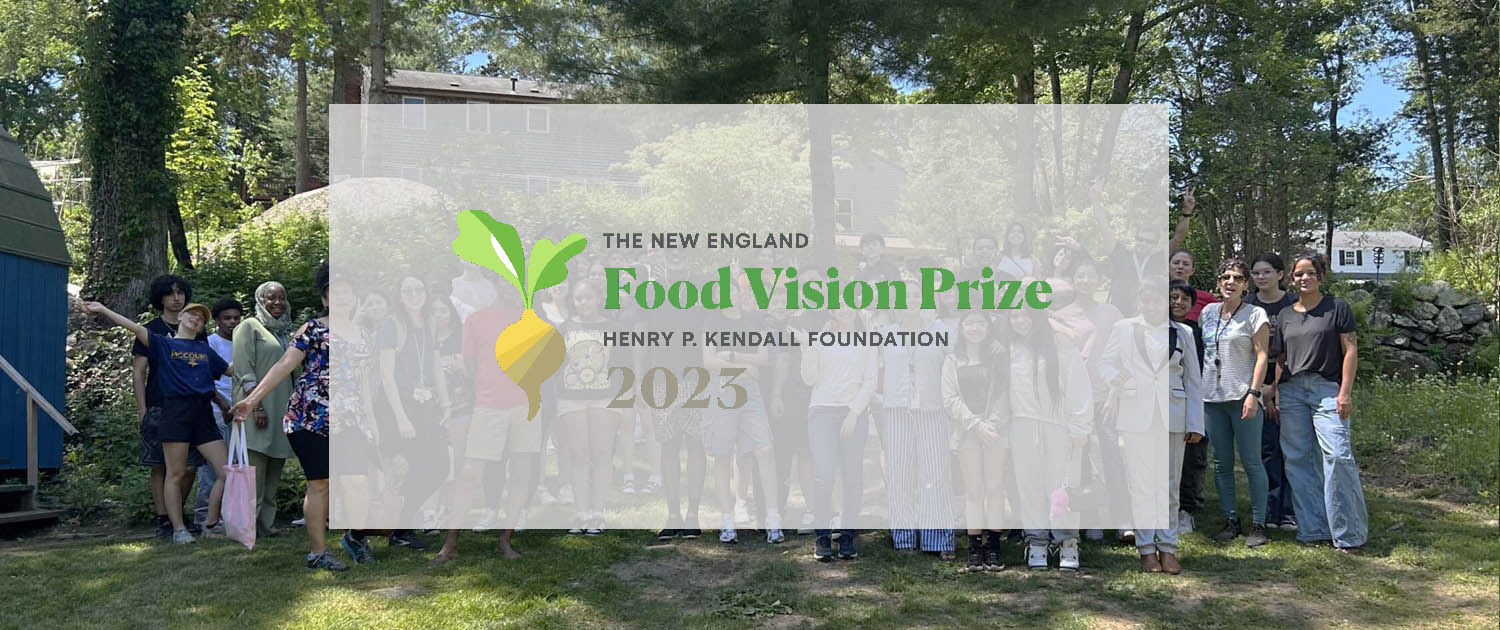
Through this collaboration, the farm became a direct supplier—and a classroom without walls. Middle and high school MLL students planted seeds in pots, visited the farm during June’s strawberry harvest, and later transplanted their seedlings into the beds. “Open fArms Retreat offered an ideal opportunity at the end of the school year to get students and teachers outside into an idyllic environment that we don’t often have a chance to experience together,” says MLL high school teacher Paula Pellegrino. “We were guided on a tour of the farm, and shown all the amazing ways it produces sustenance for people and animals. We were encouraged to share in the cycle of planting and growing with seeds, tools and soil.”
Momentum is already building from this work. Plans are underway for building raised garden beds at the middle schools and integrating a hydroponic freight farm into the high school environmental science curriculum. Andraly and his team will lead both initiatives.
PPLT currently supports more than fifty small, underserved farmers, none of whom are yet linked to local schools. “Most of the farmers we support are struggling to make ends meet,” says Chief Spring Buffalo. “Building institutional relationships takes time and capacity. PPLT can help farmers make that connection.”
With the Cumberland pilot as proof of concept, PPLT aims to replicate and scale the model across New England—so that, like Open fArms Retreat, many small farms will have a big impact in their community.


