
Pocasset Wampanoag Tribe of the Pokanoket Nation Reclaims 40 Acres of Native Land in Tiverton, Rhode Island
Rematriation of historic land proves critical for the livelihoods and sustainability of the tribe; to be open to indigenous communities for traditional practices
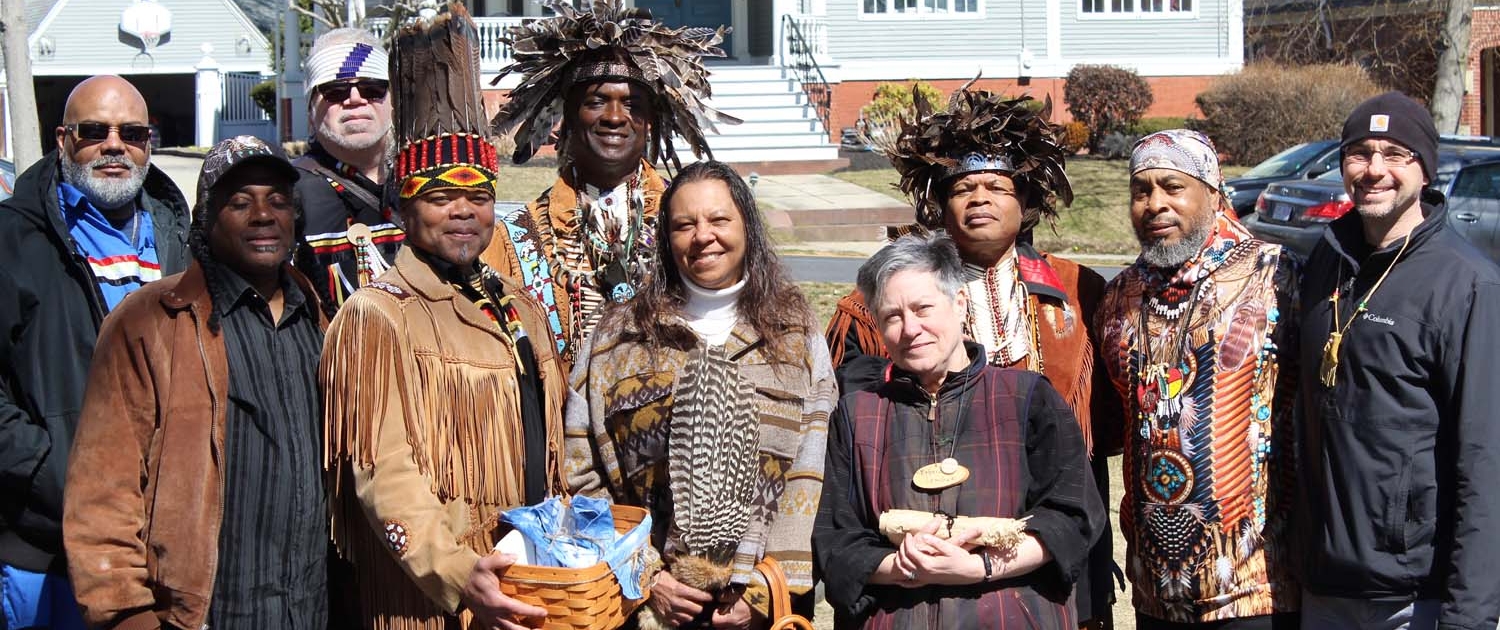
Cranston, RI., Dec. 16, 2024 – The Pocasset Wampanoag Tribe of the Pokanoket Nation today announced the reclaiming of nearly 40 acres of historic land in Tiverton, Rhode Island, bringing the total amount of recovered tribal land to over 50 acres. The rematriation of the land––the site of The Battle in Tiverton during King Philip’s War––was made possible through an Open Space Grant provided by the Rhode Island Department of Environmental Management (DEM) awarded to the Pocasset Pokanoket Land Trust (PPLT) in collaboration with Bally’s Tiverton Hotel and Casino. PPLT intends to open the land to other historic indigenous clans of all Pocasset villages as a site of traditional native rituals, including hunting, fishing, foraging, harvesting, and ceremonial practices.
According to Britannica, more than 56 million acres of land exist as Native American reservations today, only accounting for about two percent of the ancestral indigenous land that the United States occupies.
“As the site of King Philip’s War––one of the most devastating conflicts to native people in American history––this land represents a significant ancestral heartbeat to the Pocasset Pokanoket people,” said Chief George Spring Buffalo, Chairman of the Pocasset Tribe of the Pokanoket Nation. “This land is more than soil and trees—it is the spirit of our ancestors and the promise of our future. To have it returned to us is to reclaim a piece of our identity, a place where our stories, ceremonies, and way of life can thrive again. We honor this gift with gratitude and a commitment to steward it as our forebears did, with respect for all living things.”
This particular parcel contains a portion of a large Atlantic White Cedar swamp, a globally imperiled forest type with an extensive history of commercial harvesting. The DEM Open Space Grant Program provides funding assistance for meaningful land conservation projects at the local level, prioritizing land with high natural resource value and placing an emphasis on preserving the natural heritage of Rhode Island. As a result of the remediation of this property, the swamp and surrounding land will be held in conservation in perpetuity.
“We are excited to be working in partnership with the Pocasset Pokanoket Land Trust and the Pocasset Wampanoag Tribe of the Pokanoket Nation and believe firmly in this project and the benefit of protecting the Pocasset Cedar Swamp,” added DEM Director Terry Gray. “Rhode Islanders are proud to be a diverse people and celebrate our tribal communities. We are thrilled to play a small role in the return of this land as well as the renewal of hope for the Pocasset Pokanoket people.”
In addition to opening the land up to ancestral rituals and ceremonies, hunting & fishing indigenous means of conservation––including soil remediation, forest thinning, wildlife rehabilitation, traditional burns, and water quality testing, guided historical tours––will take place on the land in order to improve and conserve the damaged ecosystem.
About The Pocasset Pokanoket Land Trust
The Pocasset Pokanoket Land Trust (PPLT) is a tribally-led non-profit dedicated to reconnecting communities of American Indian tribes, clans, Urban Indians, and indigenous people across the Northeast. We embody an American Indian cosmology that holds Mother Earth and all living beings with deep reverence. As mindful caretakers of the land for all future generations, we teach our descendants to honor the connection to Earth, Sky, Water and to the Creator.


 PROVIDENCE – Governor Dan McKee and the Rhode Island Department of Environmental Management (DEM) announced today the awarding of more than $2.73 million in grants to help communities and local organizations protect valuable green space throughout Rhode Island. Ten projects will receive matching grants to protect 400 acres of open space and farmland across the state. The funding is made possible by the 2016 and 2018 green economy bonds, both of which were passed overwhelmingly by voters and made investments in preserving open space, improving recreational facilities, and cleaning up lands and waters.
 “We are excited to work together with Twin River-Tiverton in respect of the cultural and historical connection of this casino land to the Pocasset ancestors of the Tribe” said Chief Spring Buffalo. “The Casino is built on lands that were granted by the colonial government as the first Indian reservation in the United States, and near the site of an important battle in the King Philip War” Spring Buffalo added, “and this agreement respects the cultural significance of these lands, and the historical importance of the Pocasset Tribe. I want to thank Chief Duane Yellow Feather Shepard and Chief Daryl Black Eagle Jamieson and the support of the Tribal Council.”