
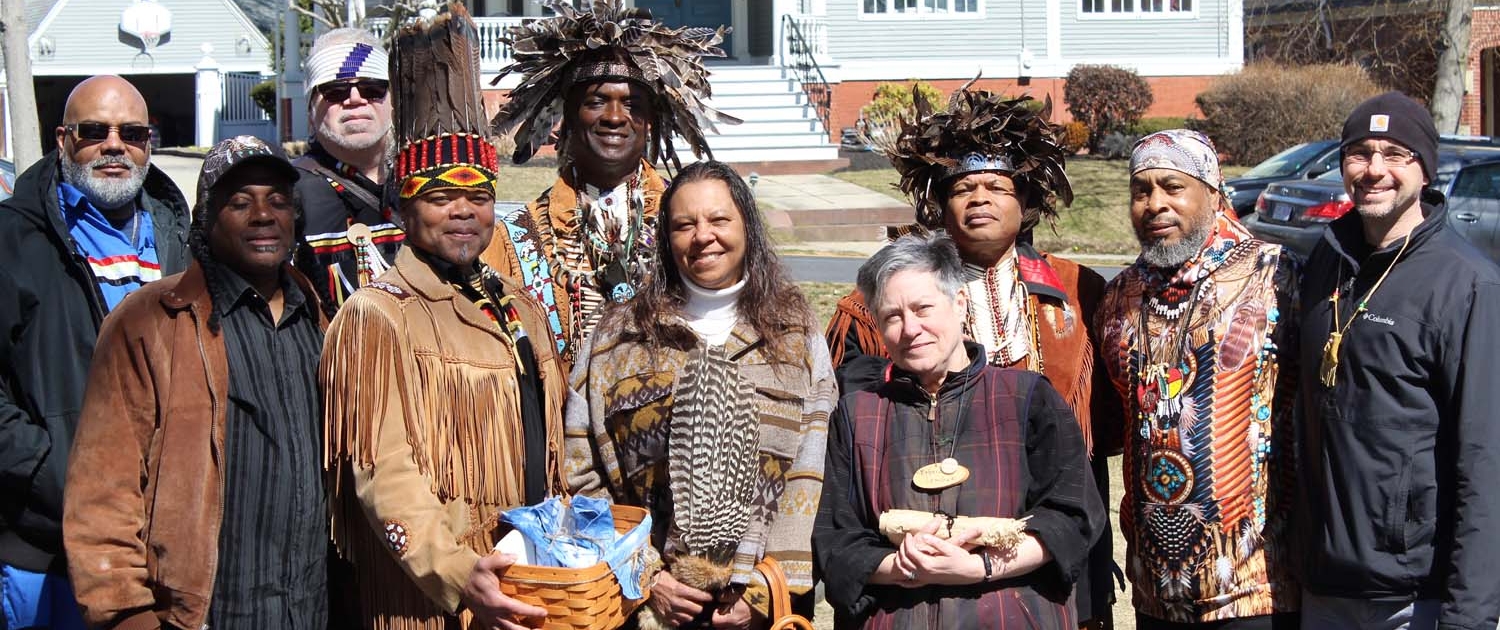
The Pocasset Pokanoket Land Trust is an awardee of this grant.
Press Release from the USDA
ATLANTA, January 10, 2022 – The U.S. Department of Agriculture (USDA) is investing $50 million in 118 partnerships to expand access to conservation assistance for climate-smart agriculture and forestry. The Equity Conservation Cooperative Agreements, administered by USDA’s Natural Resources Conservation Service (NRCS) will fund two-year projects to expand the delivery of conservation assistance to farmers who are new to farming, low income, socially disadvantaged or military veterans. Projects will support USDA’s broader effort to address climate change and equitable access to programs.
“We are committed to equal opportunity for those we serve, and we are taking bold, historic action to advance equity and root out generations of systemic racism,” Agriculture Secretary Tom Vilsack said. “These partnerships are another example of how we are helping ensure historically underserved producers can more fully access and participate in our programs and services. As we’ve said before: equity will be a vital part of our climate change work, as America’s farmers and rural communities are on the frontlines of climate change. Our work with producers and partners will invest in climate smart solutions that improve profitability and resilience, open new market opportunities, and build wealth that stays in rural communities.”
The program encourages new partnerships and the development of state and community conservation leadership for historically underserved producers, with projects focusing on one or more of the following key conservation priorities:
- Improving soil health and water quality;
- Providing habitat for at-risk wildlife;
- Improving natural resources and productivity on agricultural lands; and/or
- Building and strengthening local and regional food systems and markets.
Among the partnerships are the Federation of Southern Cooperatives/Land Assistance Fund and McIntosh Sustainable Environment and Economic Development (SEED). The partnership with the Federation of Southern Cooperatives/Land Assistance Fund, expands the Regional Agro Forestry Center (RAFC) to include climate smart agriculture, participation in conservation easements, heirs property consultations, forest management plans and certifications, and youth employment placement for Alabama, Georgia, Texas, South Carolina, Florida, Louisiana, and Mississippi. Additionally, a Regional Community Forest Justice Initiative (RCFJI) will provide limited-resource forest landowners with conservation education, technical assistance and a climate smart vision for their land
The McIntosh Sustainable Environment and Economic Development (SEED) will help historically underserved producers implement natural resources conservation and climate smart agricultural practices. They will work with producers to strengthen marketing skills, access new markets, and produce and sell cooperatively. Additionally, SEED will engage historically underserved youth in 24 climate-impacted and economically distressed counties in Georgia through outreach and education, providing access to NRCS technical assistance, certifications and youth internships.
View a full list of the partnerships
More Information
These partnerships are part of USDA’s broader efforts to address inequity in program delivery. Today, USDA’s Risk Management Agency (RMA) also announced its plans to invest $2 million in risk management education for historically underserved and small-scale producers. This doubles RMA’s successful $1 million investment in 2021. Also in 2021, USDA’s Farm Service Agency (FSA) invested $4.7 million to establish 56 partnerships with organizations to provide outreach and technical assistance to historically underserved farmers and ranchers.
USDA touches the lives of all Americans each day in so many positive ways. In the Biden-Harris Administration, USDA is transforming America’s food system with a greater focus on more resilient local and regional food production, fairer markets for all producers, ensuring access to safe, healthy and nutritious food in all communities, building new markets and streams of income for farmers and producers using climate smart food and forestry practices, making historic investments in infrastructure and clean energy capabilities in rural America, and committing to equity across the Department by removing systemic barriers and building a workforce more representative of America.
To learn more, visit www.usda.gov





 PROVIDENCE – Governor Dan McKee and the Rhode Island Department of Environmental Management (DEM) announced today the awarding of more than $2.73 million in grants to help communities and local organizations protect valuable green space throughout Rhode Island. Ten projects will receive matching grants to protect 400 acres of open space and farmland across the state. The funding is made possible by the 2016 and 2018 green economy bonds, both of which were passed overwhelmingly by voters and made investments in preserving open space, improving recreational facilities, and cleaning up lands and waters.